
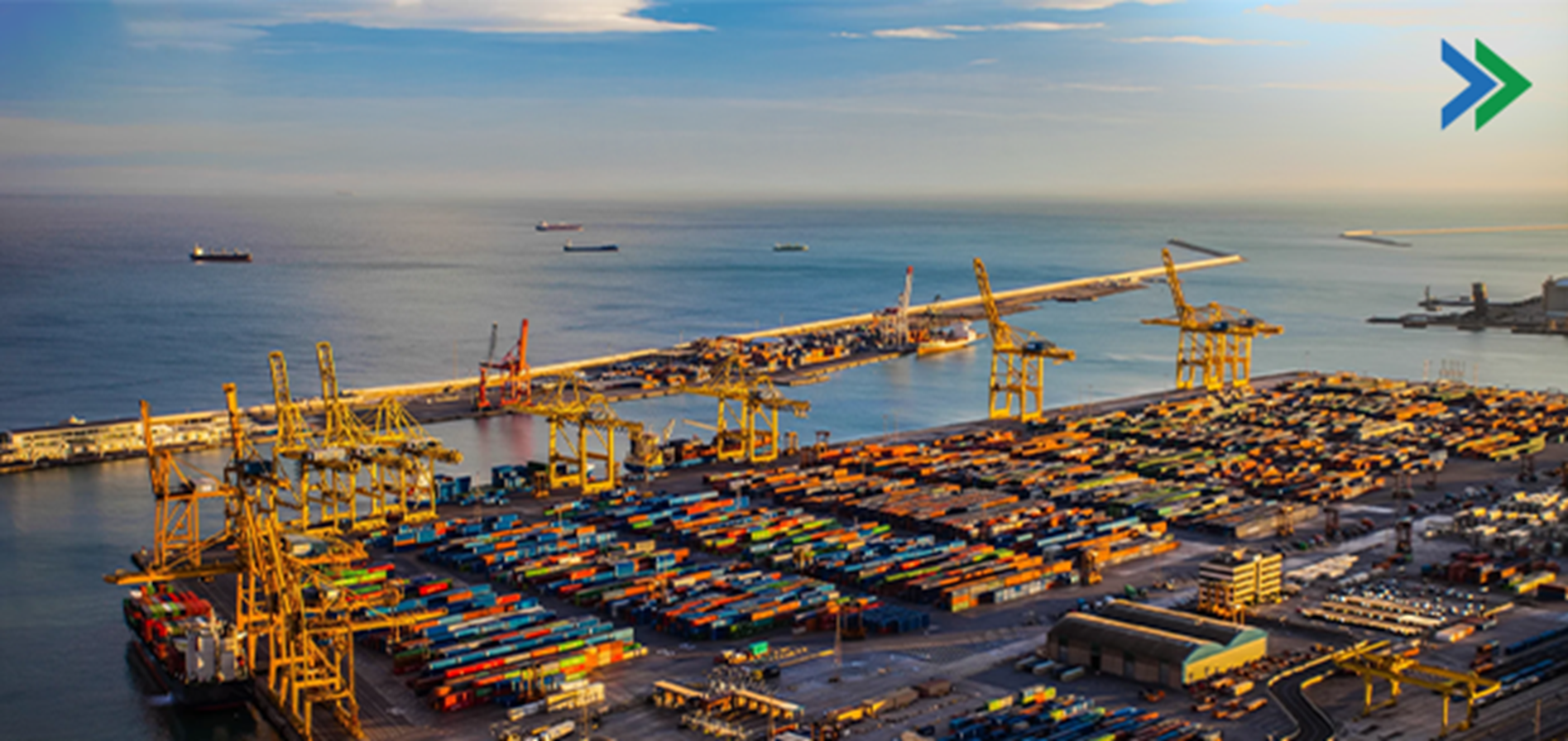


Mumbai has long been at the centre of India’s maritime trade. With Jawaharlal Nehru Port Authority (JNPA) and Mumbai Port handling a significant share of the country’s import and export volumes, the city plays a critical role in connecting Indian businesses with global markets. However, the scale of operations also brings layers of complexity that few other ports experience.
Congestion, infrastructure constraints, evolving regulations, and the constant pressure of timelines make Mumbai’s port ecosystem one of the most challenging to operate in. In this environment, freight forwarders serve as the key link that holds the entire logistics chain together.
A Port Ecosystem Defined by Complexity
Port logistics in Mumbai involves far more than the physical movement of cargo. Every shipment passes through a dense network of shipping lines, port authorities, customs officials, transporters, warehouses, and regulatory agencies. Each stakeholder operates on strict timelines, and even a small misalignment can result in delays, increased costs, or compliance issues.
For importers and exporters, navigating this system independently often proves inefficient. What is required is not just coordination, but foresight — the ability to anticipate bottlenecks, plan alternatives, and ensure continuity even during peak congestion periods.
Freight Forwarders as Central Coordinators
Freight forwarders act as the operational backbone of port logistics. Their role is to bring structure to an otherwise fluid and unpredictable environment. By planning shipments end to end, they synchronise documentation, customs clearance, cargo handling, and inland movement into a single, continuous workflow.
In a port ecosystem like Mumbai’s, freight forwarders help reduce cargo dwell time by aligning vessel schedules with transport availability, managing yard movements effectively, and ensuring that paperwork is accurate and timely. This integrated approach allows businesses to retain control over their supply chains, even in challenging conditions.
The Critical Role of Customs Expertise
Customs clearance remains one of the most sensitive and complex components of port logistics. Regulations evolve frequently, digital systems continue to expand, and compliance requirements leave little room for error. Delays at this stage can have a cascading impact on the entire supply chain.
Experienced freight forwarders bring deep procedural knowledge and practical insights gained from years of operating within the system. Their ability to manage filings accurately, coordinate inspections, and stay aligned with regulatory changes ensures smoother cargo flow.
With a strong legacy in the Indian logistics sector, Jeena applies this expertise consistently across shipments handled through Mumbai’s ports, helping customers avoid avoidable delays and compliance-related disruptions.
Managing the Journey Beyond the Port
The challenge of port logistics does not end at the exit gate. Mumbai serves as a gateway to industrial and consumption hubs across western and central India. Coordinating road and rail movements, managing inland container depots, and ensuring timely last-mile delivery require careful planning and execution.
Freight forwarders assess each shipment individually, considering cargo type, delivery urgency, cost implications, and network availability. This allows them to design inland movement strategies that balance efficiency with reliability.
Jeena’s integrated logistics capabilities enable smooth transitions from port to inland destinations, ensuring that cargo continues to move seamlessly beyond the waterfront.
Technology as an Enabler of Visibility
In today’s logistics landscape, visibility is as important as execution. Mumbai’s ports generate a constant flow of operational data, and freight forwarders play a key role in translating this data into meaningful insights for customers.
Real-time shipment updates, documentation visibility, and milestone tracking help businesses plan inventory, manage working capital, and respond proactively to potential delays. When used effectively, technology reduces uncertainty rather than adding complexity.
Jeena continues to invest in digital systems that enhance transparency and operational efficiency, allowing customers to stay informed while focusing on their core business.
Handling Specialized and Sensitive Cargo
Mumbai is also a major entry and exit point for specialised cargo such as pharmaceuticals, engineering equipment, project cargo, and high-value consignments. These shipments demand precise handling, strict compliance, and close coordination across multiple agencies.
Freight forwarders develop shipment-specific strategies that factor in storage requirements, handling equipment, safety norms, and risk management. Experience in managing such cargo ensures that operational complexity does not compromise delivery commitments.
Jeena’s capability in handling specialised cargo has made it a trusted logistics partner for businesses operating in high-stakes and regulated industries.
Enabling Trade Through Experience
In a port environment as demanding as Mumbai’s, freight forwarders are not just service providers — they are strategic enablers of trade. Their ability to combine local expertise, disciplined execution, and long-term experience helps businesses navigate complexity with confidence.
By simplifying processes, reducing uncertainty, and providing end-to-end coordination, companies like Jeena continue to support efficient, resilient supply chains and ensure that Mumbai remains a vital gateway for global commerce.
To explore our warehousing solutions, visit www.jeena.com or contact us at contact@jeena.co.in.
