
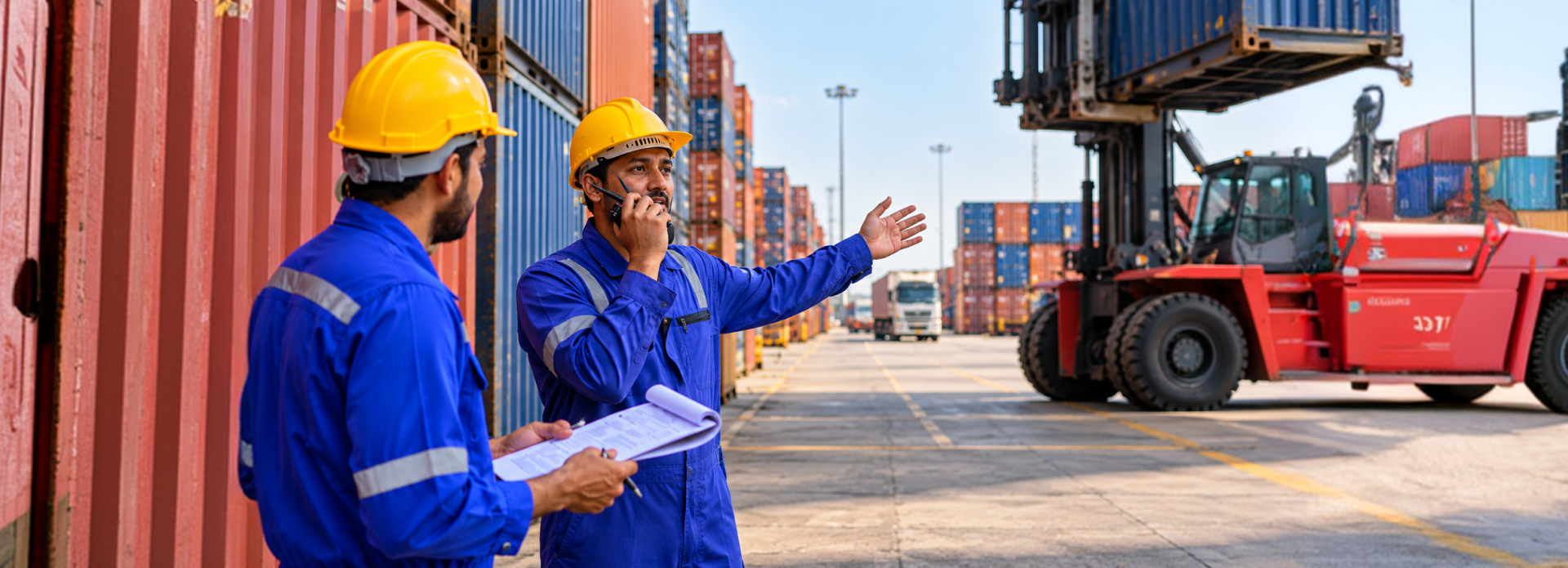


Customs clearance has a reputation for being slow and unpredictable. It doesn’t have to be. Most of the delays, paperwork, and penalties that importers and exporters dread come from navigating a complex regulatory system without the right expertise. Experienced customs clearance import export brokers exist to remove that complexity — they classify your goods correctly, file your documents through the right channels, and keep shipments compliant so cargo moves on schedule and costs stay predictable.
What a Customs Clearance Broker Does
A customs broker — a Customs House Agent (CHA) in India — is a licensed specialist who handles the legal side of moving goods across a border. That means classifying goods under the correct HS code (which sets your duty), filing the Bill of Entry or Shipping Bill through ICEGATE, calculating duties and scheme eligibility such as RoDTEP, liaising with customs to secure release, and managing every supporting document. Done well, it’s invisible: your cargo clears on time. Done badly, it becomes the single biggest delay in your supply chain.
Why It Feels So Complicated
The friction is real, but it’s specific. Four things cause most of it:
- Documentation. A shipment can need a dozen documents that must match exactly; one mismatch stalls the container for days.
- Classification. The wrong HS code means overpaying duty — or triggering scrutiny.
- A moving target. Faceless Assessment, RoDTEP, AEO, and trade-agreement rules like the India–Australia ECTA change constantly.
- Dwell time. Even a perfect filing waits in the wrong queue unless you use schemes like Direct Port Delivery (DPD).
How the Right Broker Fixes It
Fewer delays
Speed comes from preparation, not pressure. Brokers pre-file the Bill of Entry before arrival, get classification right the first time, use DPD for eligible cargo, and answer Faceless Assessment queries fast. The difference is measured in days — and for pharma, perishables, or high-value goods, those days are the whole game.
Less paperwork
A good broker takes the paperwork off your desk entirely: filing electronically through ICEGATE, keeping one clean, consistent document set, and holding an audit-ready record of every declaration. For your team it’s a distraction; for a broker it’s the core discipline, refined over thousands of shipments.
Lower compliance risk
Penalties and seizures come from avoidable errors. A capable broker classifies and values correctly, screens for licence and permit needs — SCOMET items, restricted goods — before cargo moves, and keeps you audit-ready. Recognised frameworks like the Authorised Economic Operator (AEO) programme reward trusted traders and their brokers with faster clearance and fewer inspections.
Choosing a Customs Clearance Partner
Not all brokers are equal. Among customs clearance import export brokers, weigh five things: depth of experience (judgement built over decades), national footprint (every major port and airport under one relationship), sector specialisation (pharma cold-chain, project cargo, and defence each have their own rules), technology (real-time visibility and electronic filing), and compliance standing (AEO participation and a clean record).
Jeena & Company has handled Indian customs for 125 years — since 1900 — pairing that regulatory depth with specialisation where it matters: Jeena Criticare for temperature-sensitive pharma, project-cargo handling for defence and infrastructure, and corridor expertise such as the India–Australia ECTA. That turns customs clearance from the riskiest link in your chain into one of the most reliable.
Frequently Asked Questions
Customs broker vs freight forwarder — what’s the difference?
A freight forwarder arranges transport; a customs broker handles the legal clearance of goods across a border. Many partners, including Jeena, do both, so one relationship covers movement and clearance.
Do I need a customs broker to import into or export from India?
It isn’t strictly mandatory, but filings go through ICEGATE and require licensed handling. Almost all importers and exporters use a licensed Customs House Agent because the work is specialised and errors are costly.
How long does customs clearance take in India?
It varies by port, cargo type, and documentation quality. With correct pre-filing and an experienced broker, straightforward shipments can clear in a day or two; errors and queries can add days or weeks.
What is a Bill of Entry?
The legal declaration an importer (or their broker) files to clear imported goods through customs — recording the goods, value, classification, and duty payable — submitted electronically via ICEGATE.
